během celého července bude náš e-shop z důvodu přechodu na nový interní systém dočasně mimo provoz. Po tuto dobu nebudeme moci vyřizovat objednávky.
Pokud by došlo ke změně termínu znovuspuštění, budeme vás průběžně informovat také na našich instagramových profilech @slovartcz a @booklabcz.
Naše knihy jsou nicméně i během této doby dostupné u vašeho oblíbeného knihkupce.
Děkujeme za pochopení a omlouváme se za dočasné nepohodlí. Těšíme se, až vás přivítáme na našem novém e-shopu!
Přejeme vám krásné a pročtené léto.
V roce 2012 se součástí Nakladatelství Slovart stalo nakladatelství Brio. Nakladatelství Brio vydávalo ve spolupráci s předními spisovateli a výtvarníky nádherně ilustrované originální příběhy a sbírky pohádek pro děti od šesti do dvanácti let. Pro starší děti, mládež a dospělé Brio nabízelo sebrané spisy pohádek a bajek od renomovaných spisovatelů, doplněné o to nejlepší z klasické literatury celého světa. V této tradici pokračujeme také my v rámci stejnojmenné edice.
Jsme výhradní distributor nakladatelství TASCHEN pro Českou republiku
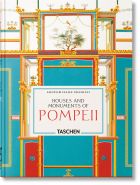
A facsimile of Le case ed i monumenti di Pompei, Fausto and Felice Niccolini’s extraordinary Pompeii publication, first issued in 1854 and featuring color plates of the buried Vesuvian city. An enduring archaeological masterpiece, the volume reveals maps and groundplans of Pompeii, stunning interior decoration and intimate everyday objects.
Rising from the Ashes
The first color lithographs of the rediscovered Pompeii
When the excavations at Pompeii were first placed on a scholarly archaeological footing in the 19th century, brothers Fausto and Felice Niccolini were close at hand and ready to respond. Making use of the newly introduced technique of color lithography, they documented the buildings, frescos, statues, as well as the most ordinary everyday objects, of the city buried in just 24 hours by the catastrophic eruption of Vesuvius and preserved for over 1,600 years under a mantle of volcanic ash.
The Niccolinis’ goal was to illustrate all aspects of life in the antique city. Their publication, Le case ed i monumenti di Pompei (“The Houses and Monuments of Pompeii”), which was issued in installments between 1854 and 1896 in Naples, presented over 400 color plates providing not only views, maps, and groundplans of the city and its public buildings, but also offered unprecedented access to Pompeii’s private residences. They revealed the astonishing painted wall decorations that adorned these long-buried abodes, their intricate works of art, and the practical utensils of everyday use, conjuring up a vivid picture of each house as a real domestic space. In addition, “animated” representations visualized daily life in Pompeii’s workshops, taverns, and shops, on its public squares, and in its temples, theaters, and baths.
This meticulous facsimile revives the Niccolinis’ extraordinary achievement with selected color plates and two introductory essays setting the project in its contemporary context and presenting the historical protagonists of the Vesuvian excavations. In addition, we explore the remarkable influence exerted by Pompeian art—and by the haunting plaster casts made of victims of the eruption—on the visual arts. Across painting, sculpture, and interior design, we trace the Pompeii legacy in the work of Robert Adam, Anton Raphael Mengs, Angelika Kaufmann, Jean-Auguste-Dominique Ingres, Lawrence Alma-Tadema, Pablo Picasso, and Giorgio de Chirico, right through to recent masters Duane Hanson and George Segal.
The authorsSebastian Schütze was a longtime research fellow at the Bibliotheca Hertziana (Max Planck Institute for Art History) in Rome. He is a member of the academic board of the Istituto Italiano per gli Studi Filosofici in Naples, and a member of the Österreichische Akademie der Wissenschaften. From 2003 to 2009 he held the Bader Chair in Southern Baroque Art at Queen’s University in Kingston. In 2009 he was appointed professor of early modern art history at Vienna University.Valentin Kockel studied classical archaeology and obtained his doctorate in 1978 with a thesis on the necropolises of Pompeii. He has worked at the German Archaeological Institute in Rome, the Technical University of Darmstadt, and until 2014 he was Professor at Augsburg University. Kockel has headed excavations in Ostia Antica and at the Forum in Pompeii.Fausto & Felice Niccolini. Houses and Monuments of Pompeii. 45th Ed.Hardcover, 15.6 x 21.7 cm, 1.14 kg, 512 pages
Now available in a tactile mini format The Art Book is beloved throughout the world, known for introducing millions of readers to the joy of art appreciation. This award-winning,...
The ultimate gift for gardeners and art-lovers, featuring 300 of the most beautiful and pioneering botanical images ever Now available in a chic compact format, this visually stunning...
A breathtaking celebration of flowers spanning centuries, cultures, and continents – now available in a compact format Flower invites readers to explore the endless ways artists and...
Celebrate five centuries of female creativity with this groundbreaking survey of women artists Great Women Artists is the most extensive illustrated survey on women artists ever published....
Alongside Michelangelo and Leonardo, Raphael stands as one of the defining masters of the Italian Renaissance. This compact edition offers a vivid introduction to his genius, bringing...
Showcasing fifty gowns created by late 19th century founders of couture, most exquisitely by the House of Worth in Paris, Gilded Age Fashion features the finest dresses of the era. The book...
The Japanese woodblock print has no Western equivalent: Breathtaking landscapes appear alongside blush-inducing erotica, ghosts and demons torment the living, and sumo wrestlers and kabuki...
Musée dOrsay, které je ve světě známé především díky mistrovským dílům impresionistů, má ve svých sbírkách tisíce maleb, soch i předmětů užitého umění od nejlepších umělců druhé poloviny...
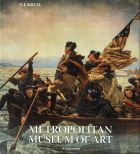
The Metropolitan Museum of Art on Fifth Avenue in New York has been one of the most important museums in the world since its founding in 1870. Its extensive collection includes works from...
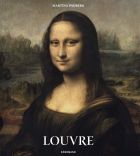
With more than eight million visitors a year, the Louvre is the museum with the most visits in the world. Its extensive collection of paintings reflects the history of European art from the...
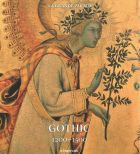
Painting from 1200 to 1500 is a mirror of its time, marked by deep religiousness as well as progressive tendencies, by economic prosperity as well as devastating wars and epidemics. A...
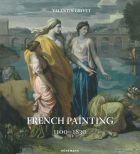
Between popular masterpieces and rather little known artists, this book unfolds nine centuries of the history of French painting. It contains more than 450 works showing medieval frescoes,...
The book traces the history of Venetian art from the beginnings to the end of the Republic of Venice - with buildings, paintings, mosaics, sculptures, and glass objects reflecting the...
The book traces the history of Venetian art from the beginnings to the end of the Republic of Venice - with buildings, paintings, mosaics, sculptures, and glass objects reflecting the...
Roman architecture, and later the city, became one of the main centers of Renaissance and Baroque art. The book highlights Rome as an artistic center of architecture and painting.
Roman architecture, and later the city, became one of the main centers of Renaissance and Baroque art. The book highlights Rome as an artistic center of architecture and painting.
In the late Middle Ages and in the Renaissance, Florence was a capital of the arts, in the 15th century (Quattrocento) the greatest art metropolis of all. Here the wishes of rich merchants...
With Art Nouveau there developed a new, international style under various names in the architecture and handicrafts from the 1880s onwards that sought to replace the forms of historicism...
Art Nouveau developed in very different forms between the 1880s and the First World War, starting in Western Europe. Organic lines and plant forms, building in iron, glass and concrete, as...
Between 1890 and the beginning of the First World War, a new international style developed in architecture and design. Following the example of the English Arts and Crafts movement, the...